UCLR HyperMile
Overview
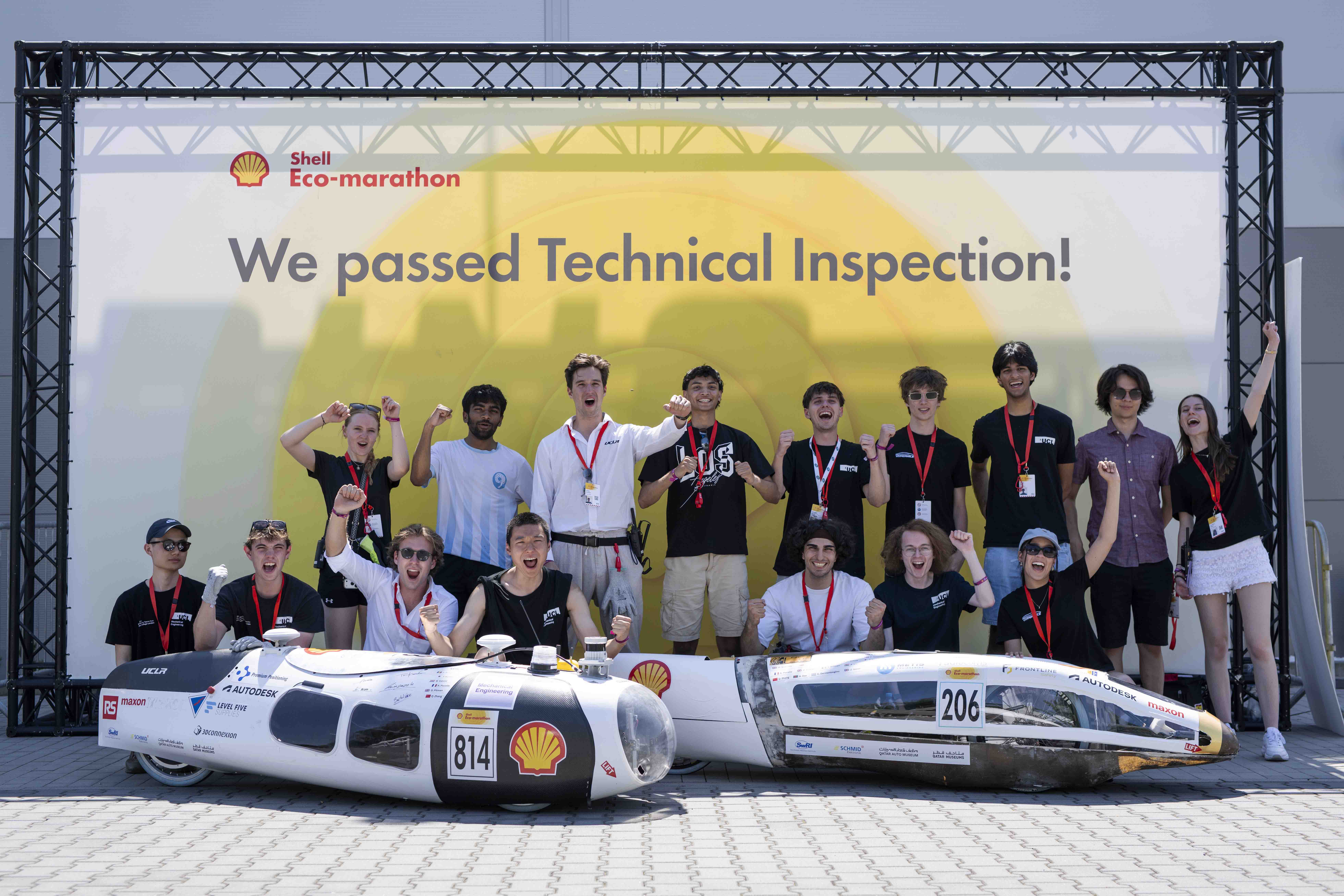
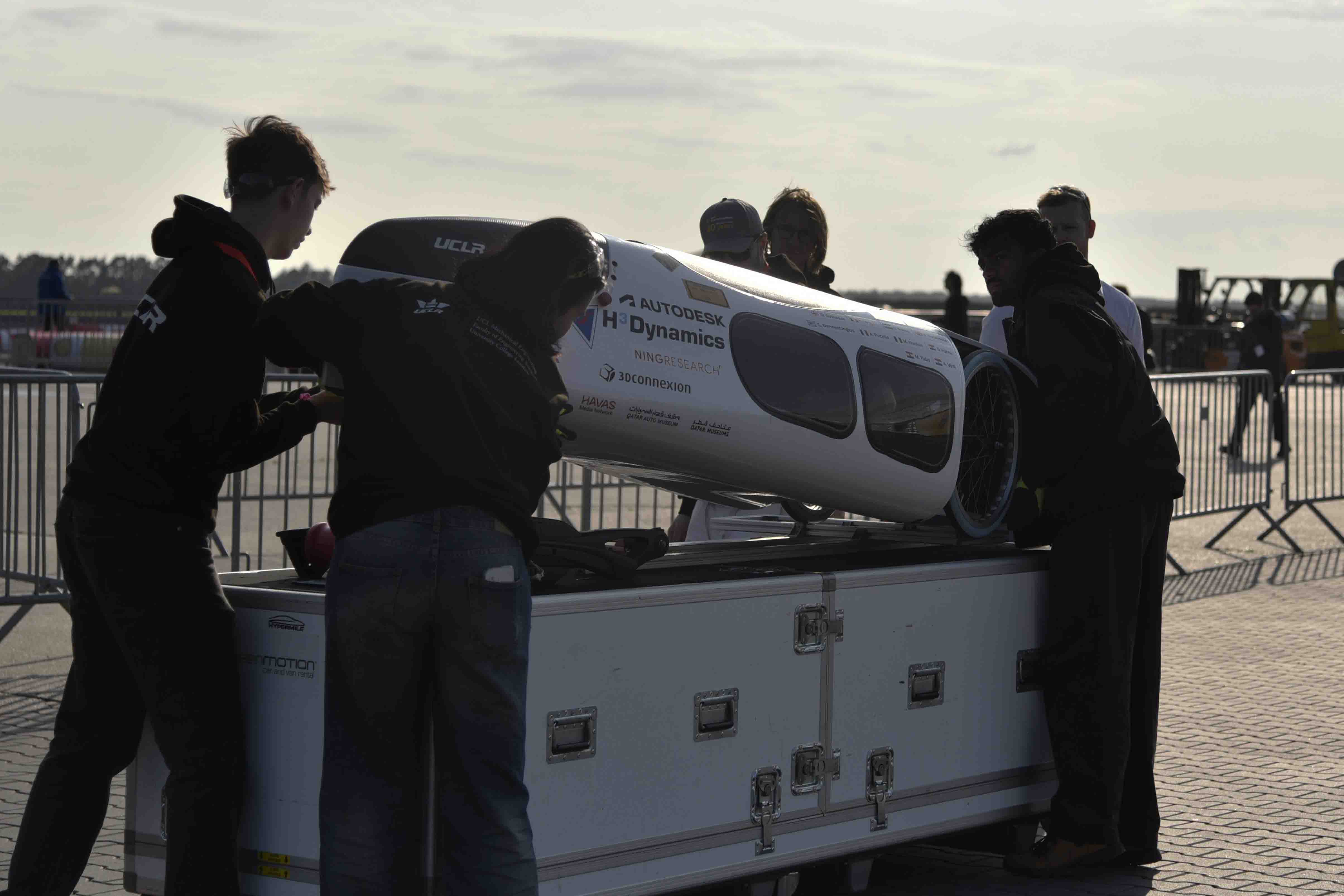
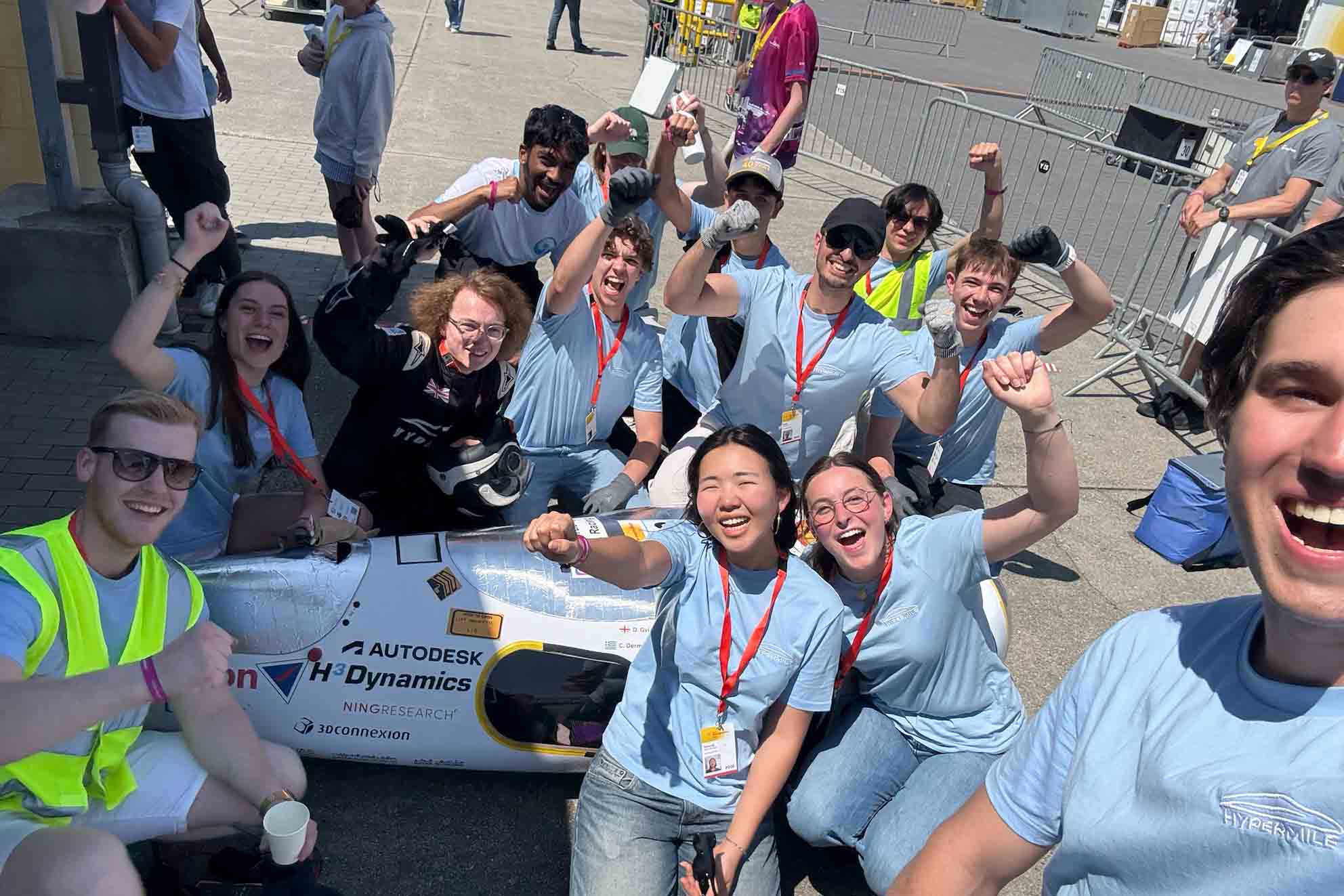
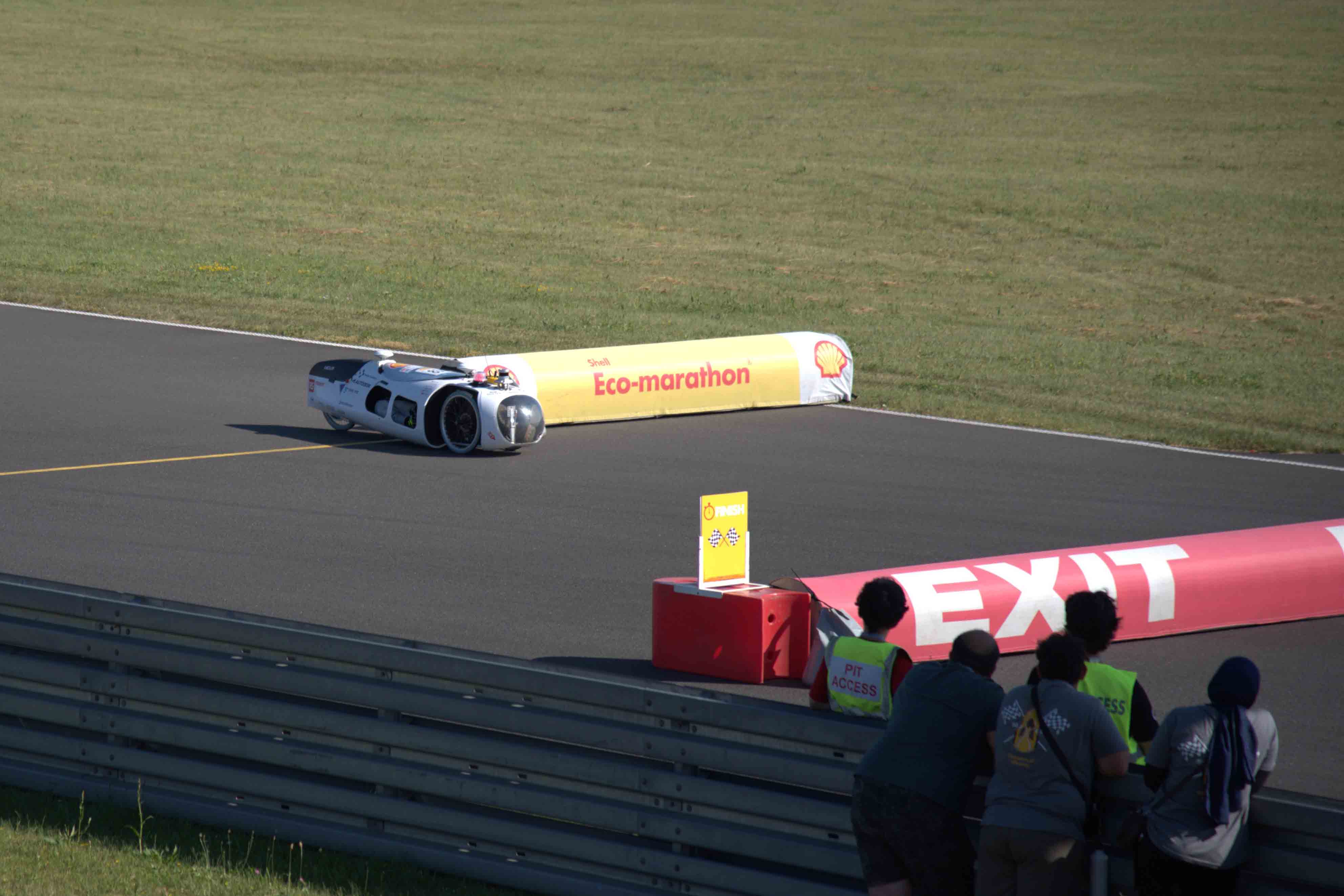
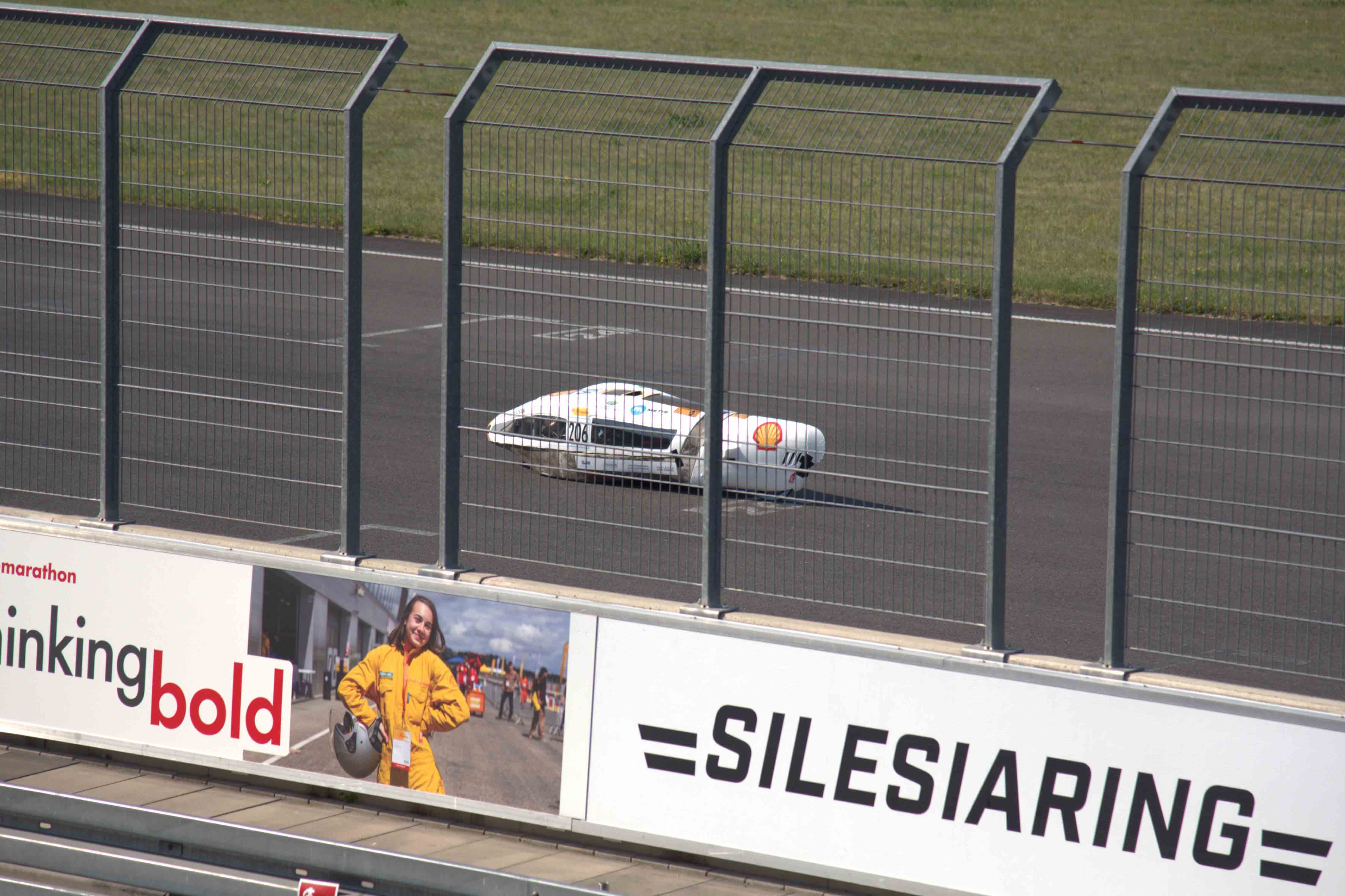
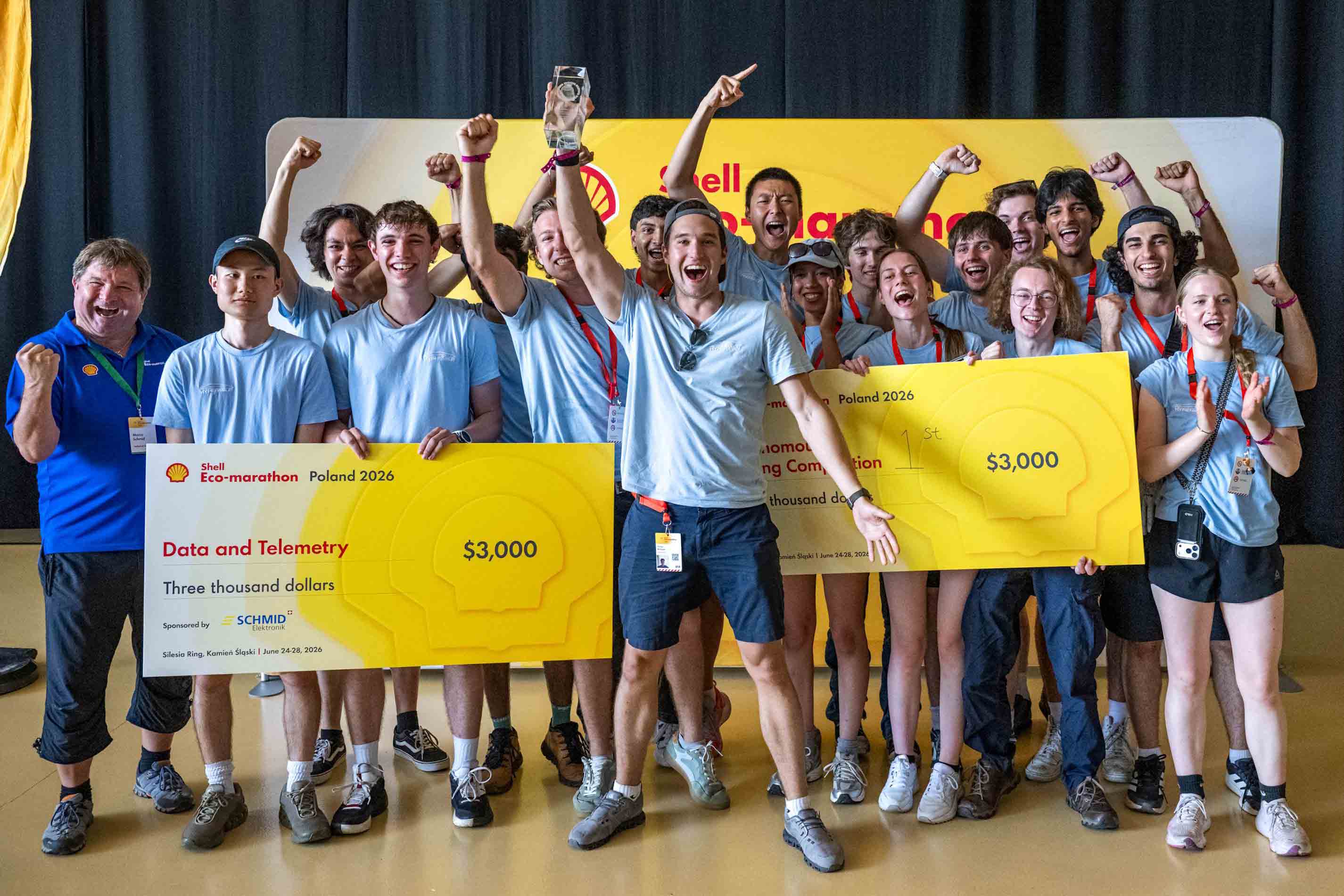
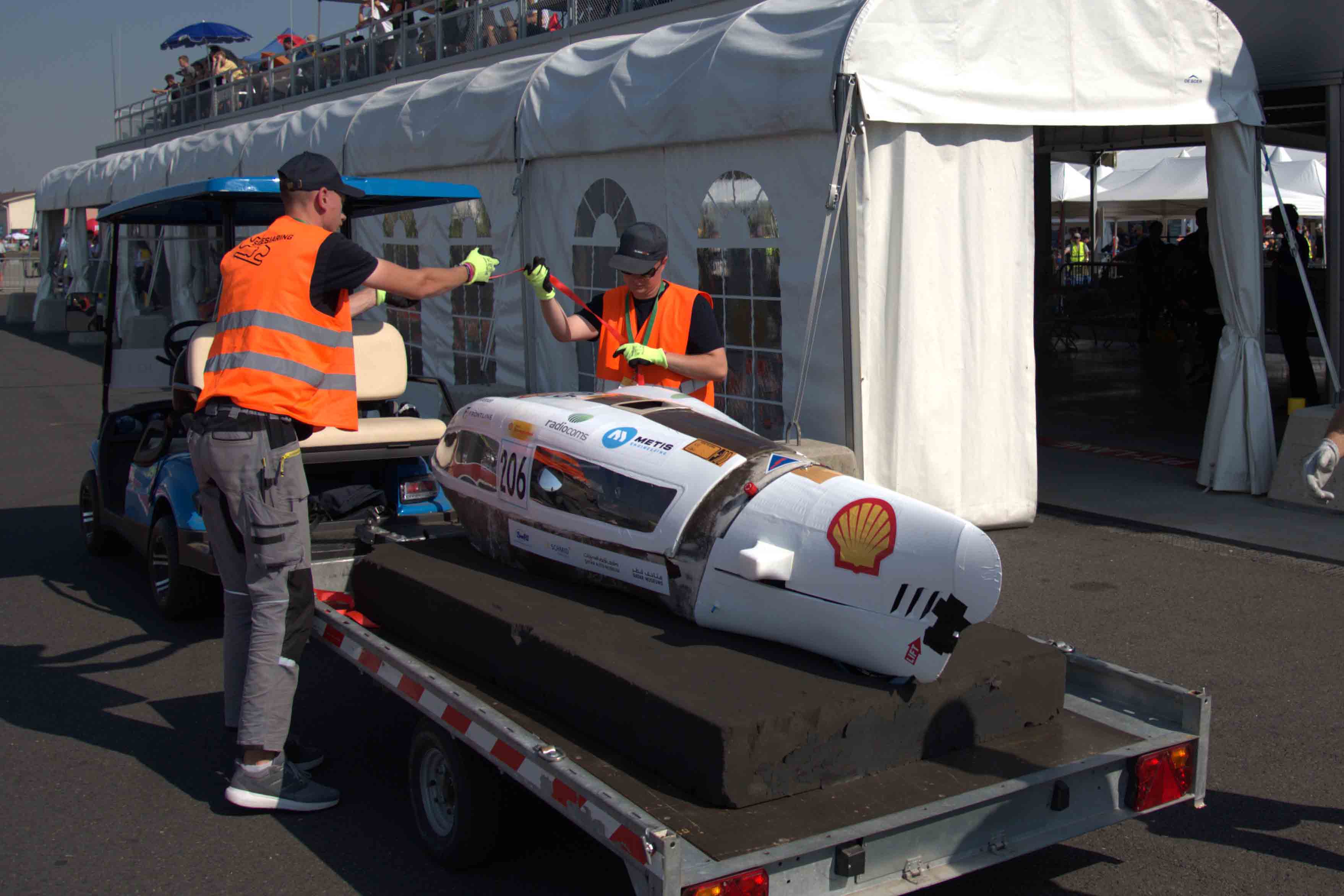
During university I had the privilege of working alongside a diverse group of engineers on highly efficient prototype vehicles to compete in the Shell Eco-Marathon. In 2025, we ran our trusted carbon-fibre chassis with a refreshed hydrogen powertrain and completed the team's first successful run in the Hydrogen Prototype category. In 2026, we transitioned this system to our new environmentally-friendly flax-fibre chassis, passed technical inspection, and nearly completed a competition run. Simultaneously, the carbon-fibre chassis was repurposed as an autonomous vehicle. It was built in 6 months and won the Autonomous Driving Competition in the first year running.
In addition we won some off-track awards:
- 1st in Data and Telemetry (2026)
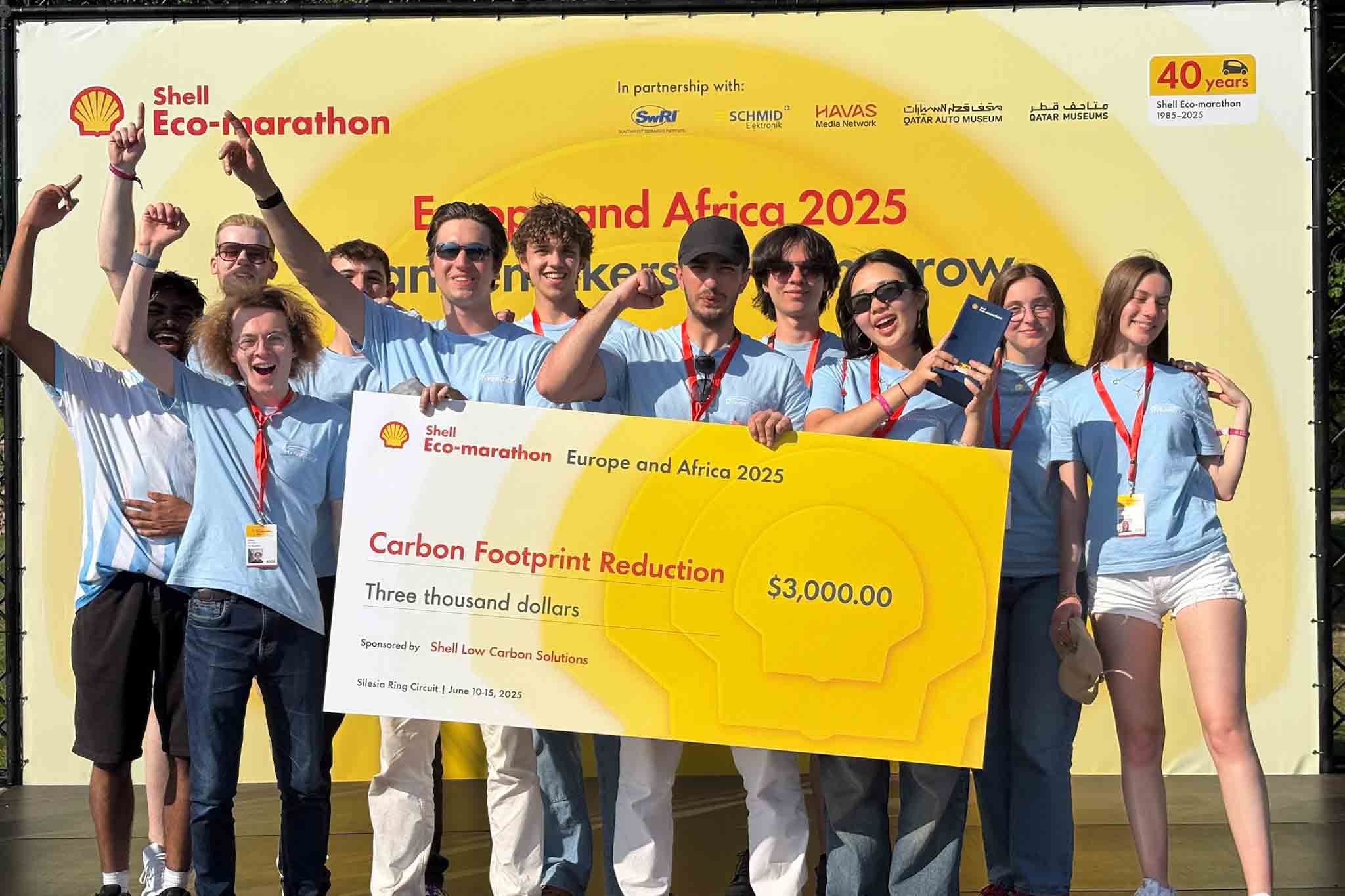
- 1st in Carbon Footprint Reduction (2025)
- 2nd in Safety Leadership (2025)
As an electrical engineer on the team, I worked on a series of projects, which were primarily oriented around the hydrogen powertrain and the related systems. I also had the fun task of driving the H2 prototype vehicle. Speaking to other drivers at competition, most don't seem to enjoy driving, but I found it quite fun.
Projects
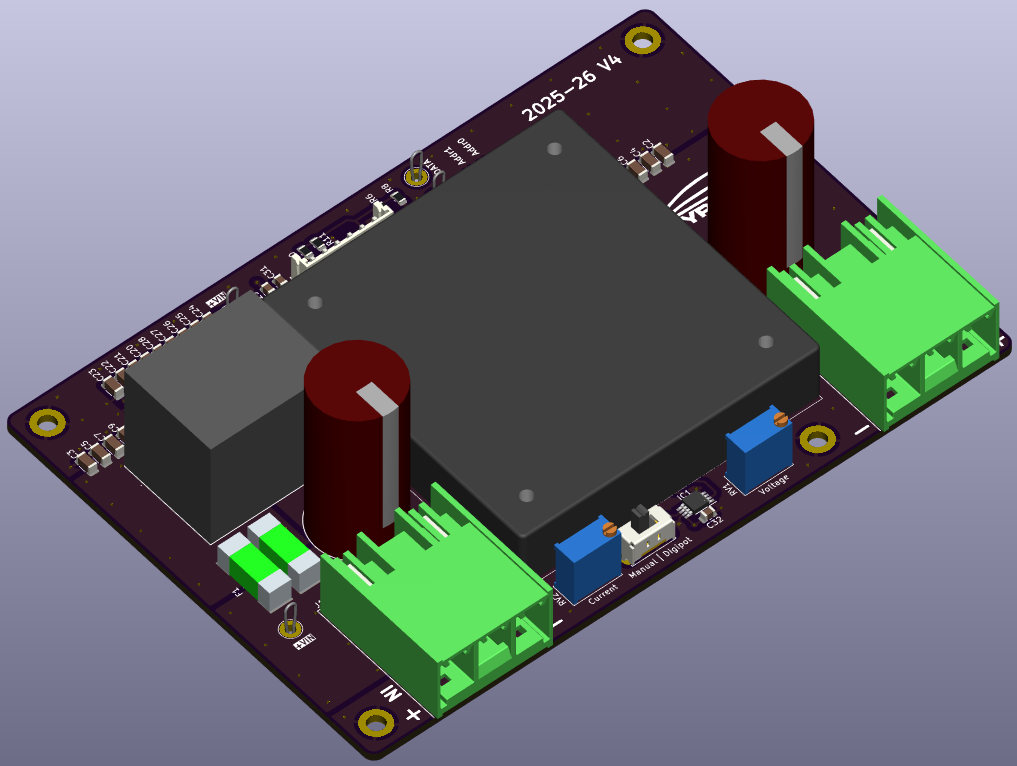
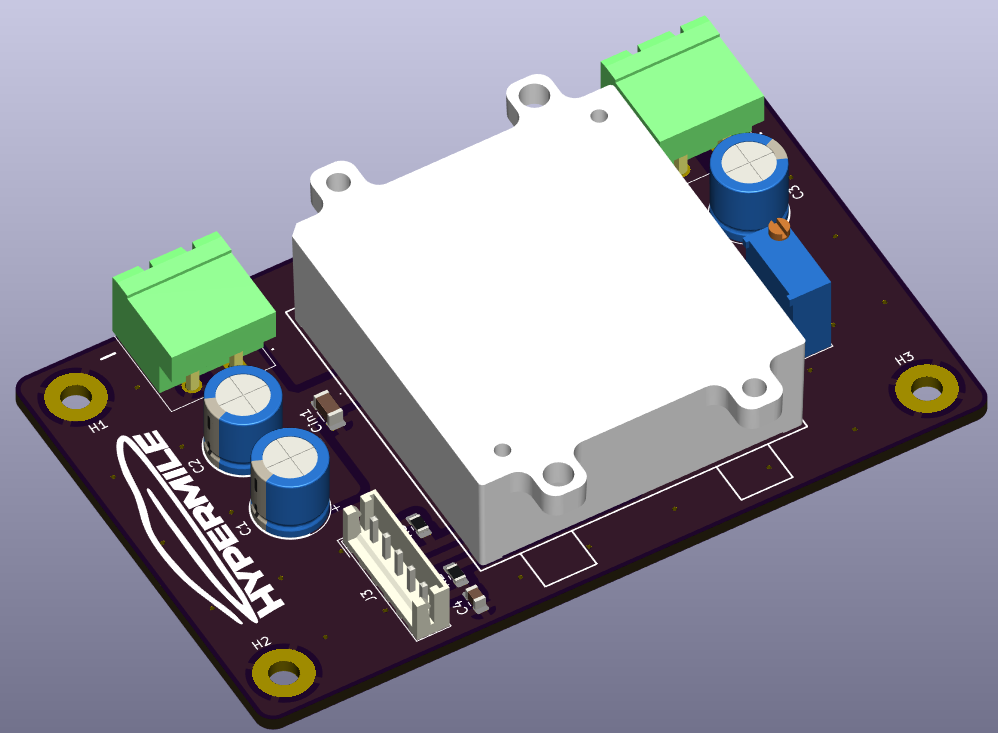
All PCBs shown have been fabricated, tested and used at competition. 3D models are shown as I didn't take photos of the individual boards.
DCDC Converters
My first task on the team was designing a 300 W DCDC converter PCB after the previous design failed. This board saw a few iterations for changing telemetry and control requirements, and the design was improved each time. The final version reported power via PMBus and implemented manual or digi-pot controlled current limiting. This enabled dynamic power control, preventing undercharging or overcharging of the supercapacitors.
Another DCDC is required in the design for the fuel cell to operate. This was a simpler 90 W design with optional telemetry connections.
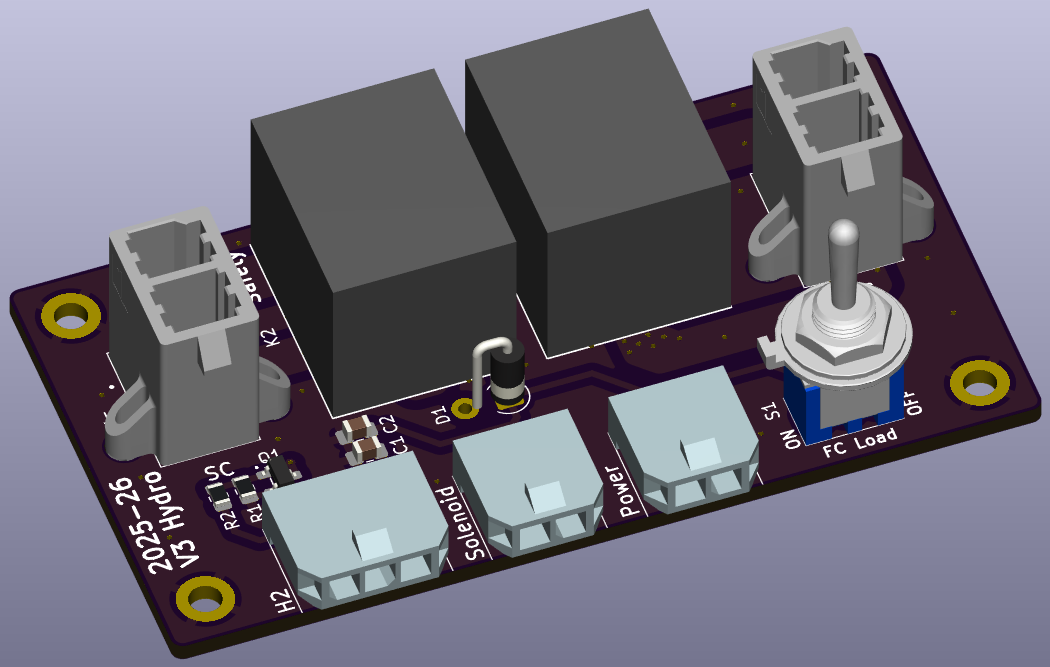
Safety System
Following competition regulation, there are requirements to isolate the propulsion from the power source in the event of a fault or leak. This needs to be implemented such that it can be activated by sensors or e-stop buttons positioned around the vehicle. Previously, there have been too many relays which complicated control and contributed to excessive power consumption. Hence improvements have been made to this, along with the form factor.
Telemetry System
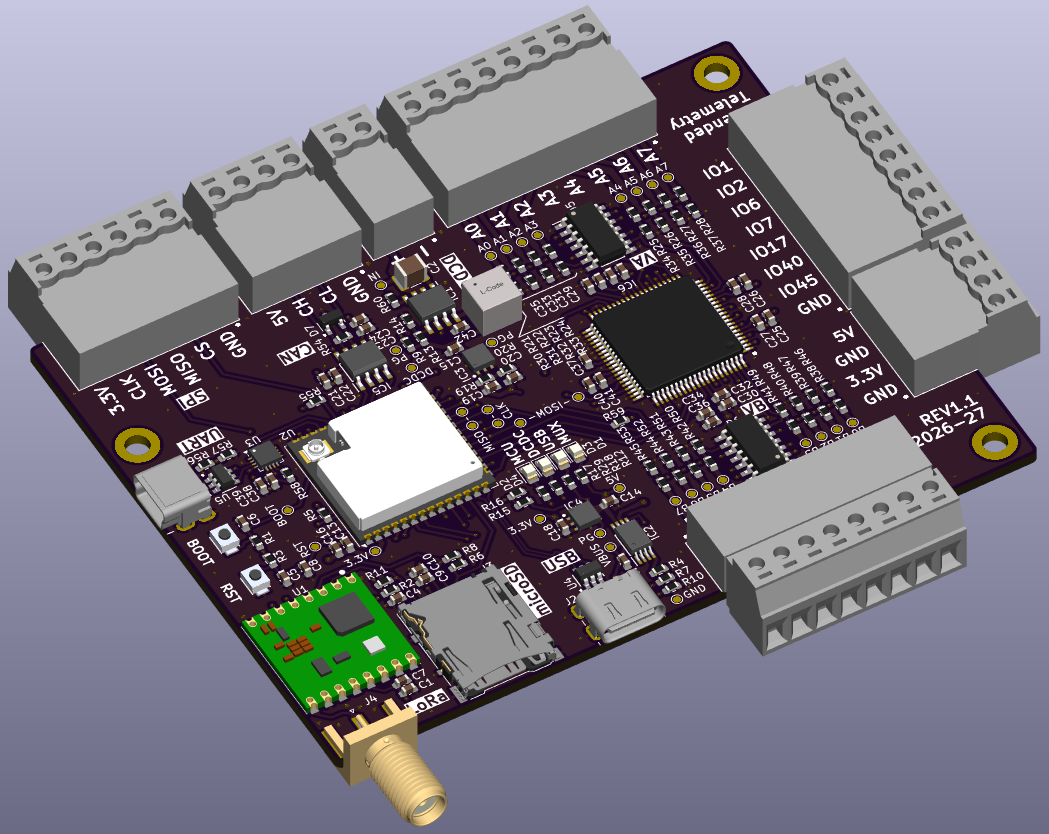
The primary development for 2026 was for collecting data as we had new chassis' and no simple way to measure and compare their performance. So introduce "Extended Telemetry". Compared to a (planned future) integration in to the powertrain as "Race Telemetry", this version is intended to be able be a fully modular data collecting system which is compatible with any vehicle and easily removable/swappable, supporting all development and testing needs.
This is a 4-layer PCB which features:
- 16-channel dual simultaneous sampling 16-bit SAR ADC, range: 0-60 VDC
- Dual auto-switching power input from USB Type-C (5 VDC) or vehicle (via 6-60 VDC DCDC)
- SD Card for local recording and LoRa for wireless transmission
- External CAN, SPI, UART, I2C and GPIO interfaces