Sony Walkman NW-S706F
Introduction
Released in 2006, this 4GB NW-S706F is the top-capacity model in the NW-S700F series. It is an Network Walkman supporting MP3, ATRAC, WMA and AAC. At the time, Sony was fighting Apple's iPod which was becoming the dominant portable music player. However, rather than matching their feature set and design (yet), Sony pursued a compact and technically sophisticated product.
Design
Following from the 'perfume bottle' design of the Sony NW-E407 series, this device incorporates similar ergonomics with the positioning of the ports and buttons, and the inclusion of a jog dial. It mirrors the material choice and appears to be a stylistic update with more flash storage and radio functionality included as default. Along with the Walkman port instead of a conventional (for the time) USB Mini-B.
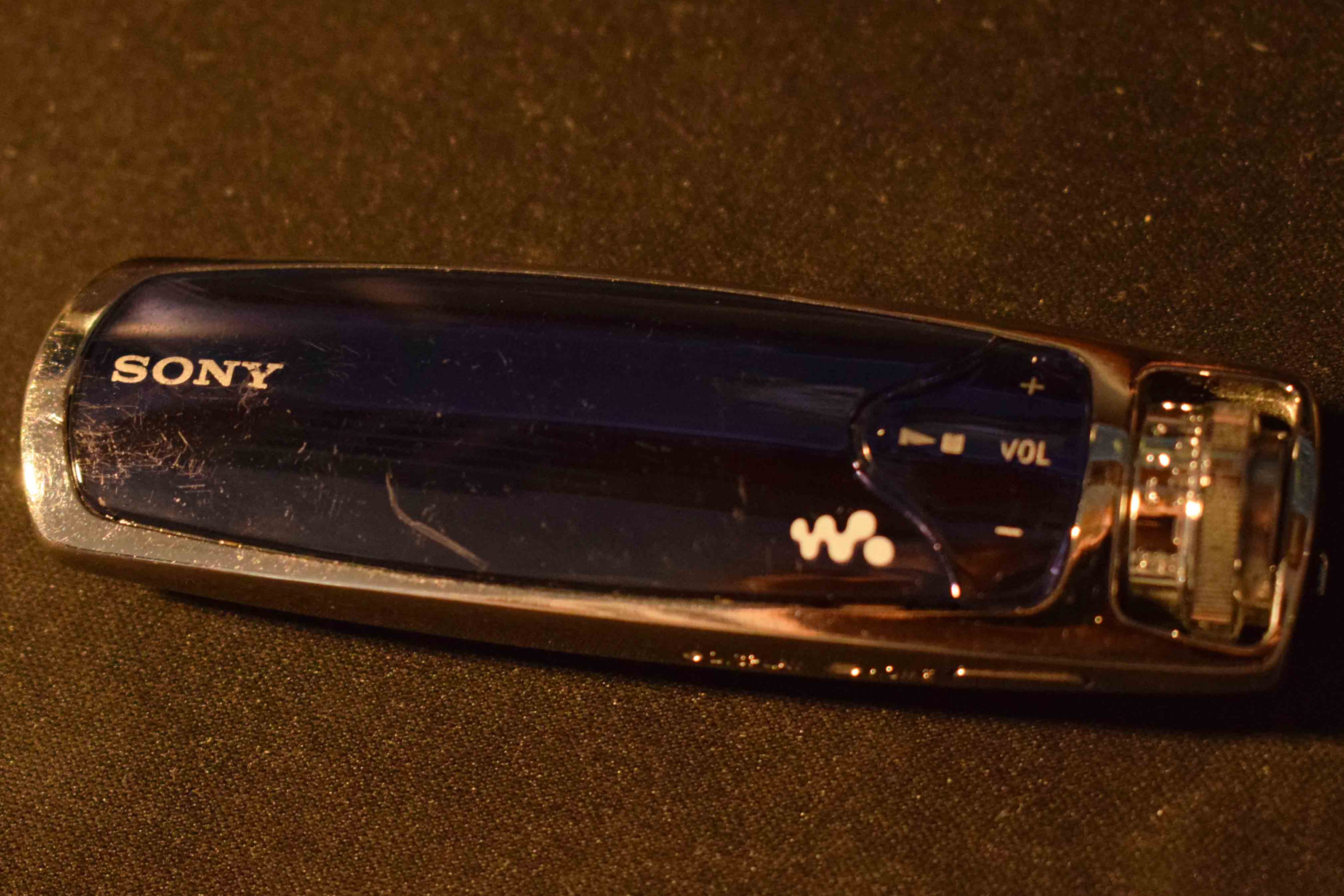
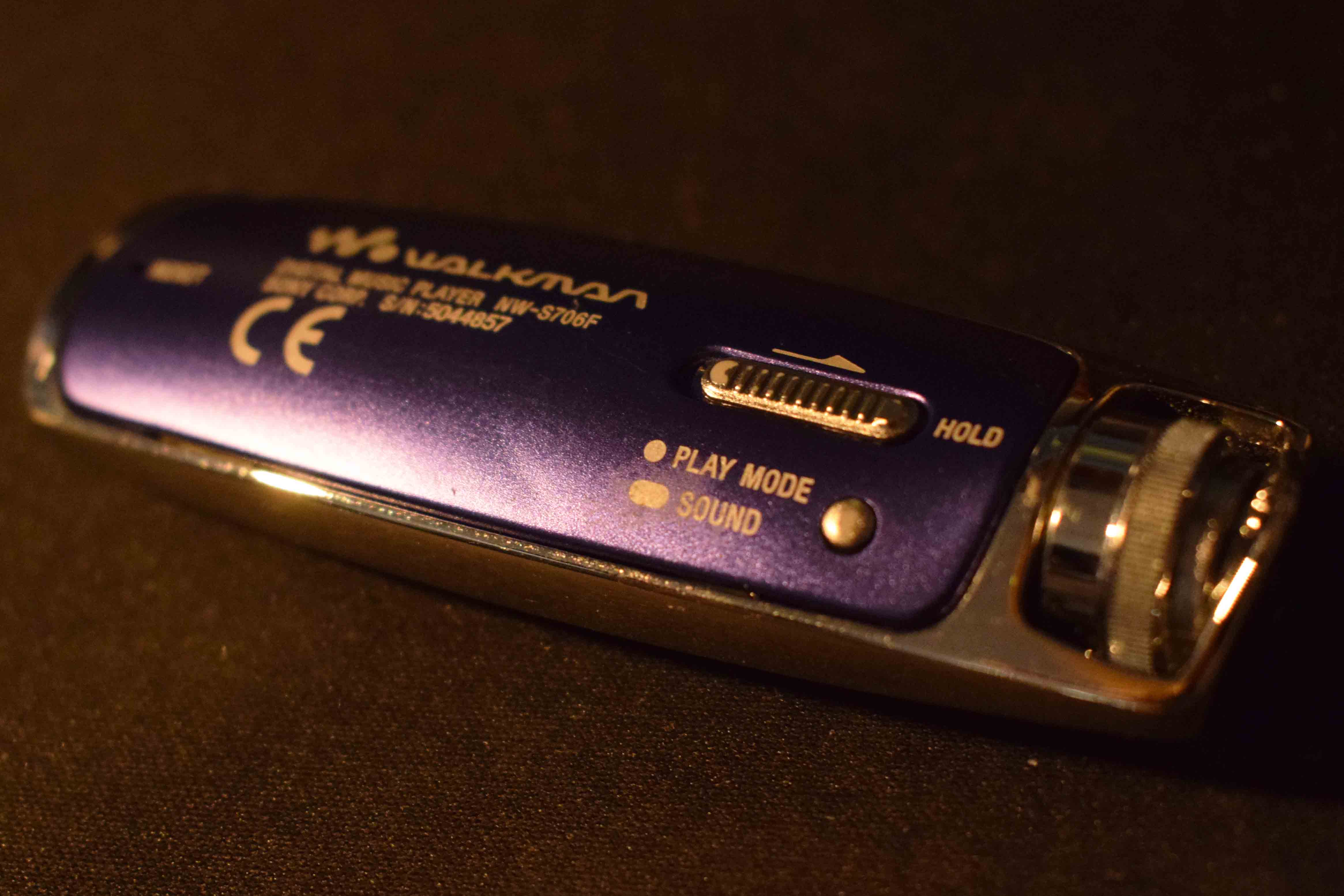
The jog dial is now a two position switch to change between 'song view' and 'album view' with the hold function integrated as slide switch on the back. With the NW-E407, this was another position in the jog dial. Either of these approaches are easy to use, but I would say that the former design was more intuitive. Just speculating, it was probably either to reduce complexity or to improve reliability/durability of the design. The jog dial is now also enclosed with metal so it is more protected if dropped.
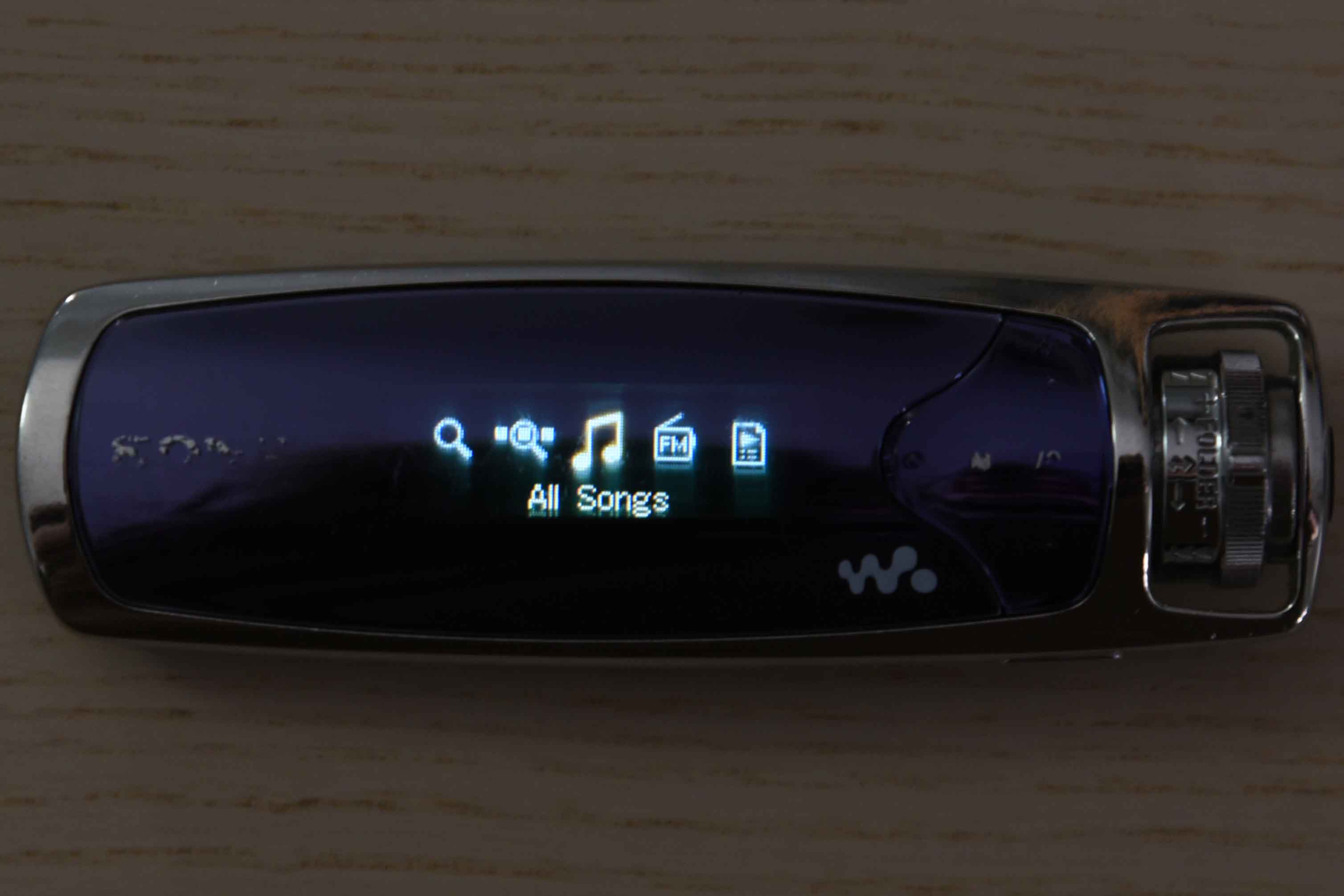
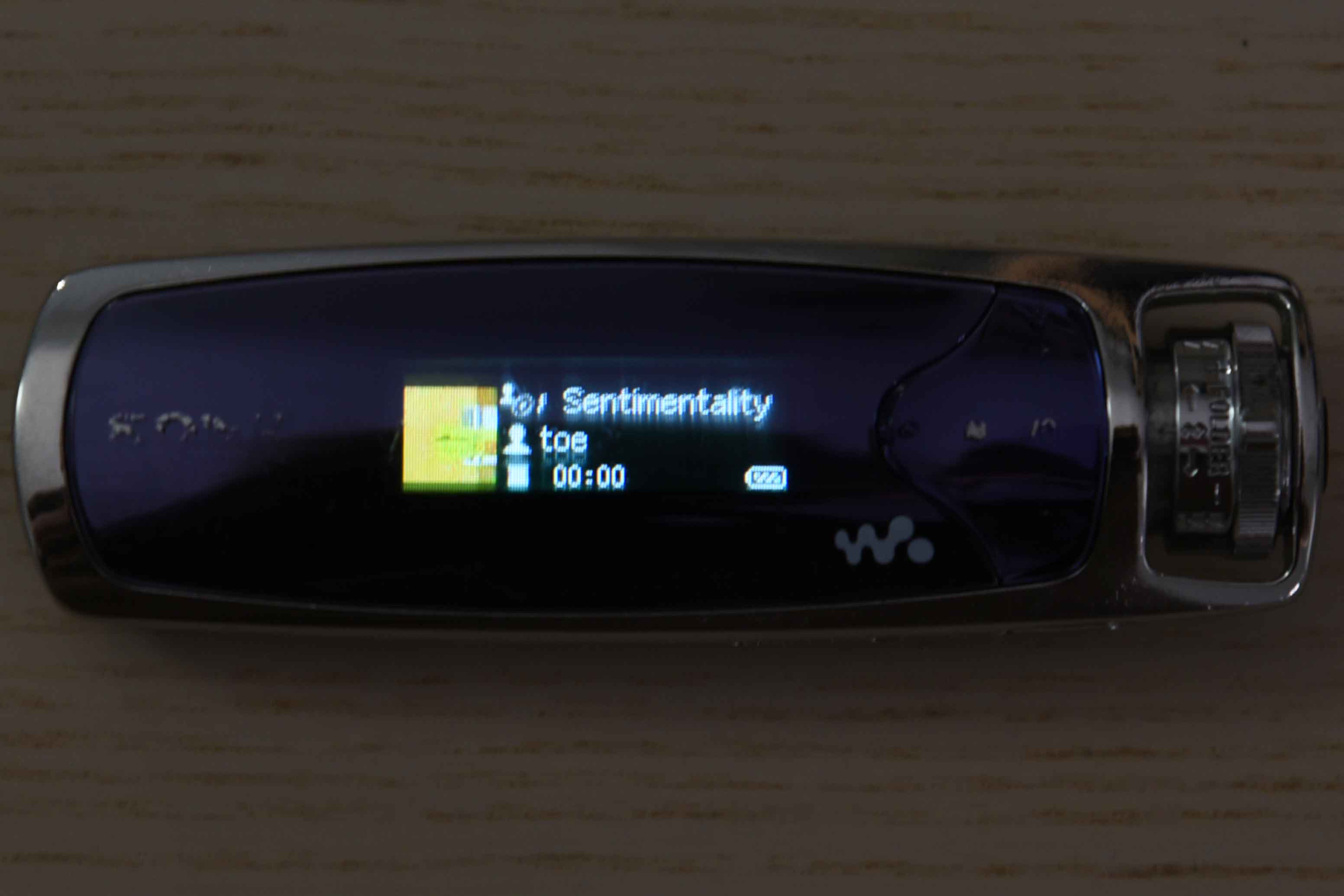
There is a new menu button situated on the side of the device, along with an updated UI to accommodate the additional features. The song and album view are as before - and by default: search (by attribute or by jacket), FM radio, playlists, "Intelligent Shuffle", and settings are visible. Other options appear depending on the context...
History & Features
This series uses internal flash which saves space and improves physical durability but limits capacity to the 1, 2 or 4 GB configurations available. Apple had a few products around this time: the iPod Classic 5th Gen (from late 2006) launched with either a 30 GB or 80 GB hard disk drive (HDD), and was significantly larger and 3x heavier. More comparatively, the iPod Mini 2nd Gen featured a 4 or 6 GB Microdrive (HDD) and was twice the weight. But Apple also released their iPod Nano series around this time, which represented their transition to flash memory in 1-4 GB capacity (1st gen, 2005) and 2-8 GB capacity (2nd gen, 2006), and was similar weight to the Walkman.
These products still had fundamentally different ergonomics and design. Looking at the display, Sony continued using their 3-line Organic EL (OLED) displays, but now in colour so it can shows the album art, albeit very small. Sony continued to include an FM radio whilst Steve Jobs insisted that customers weren't asking for it.
Noise Cancellation
At the time, noise cancellation (NC) was only achieved through specific models of earphones which integrated electronics inline with the cable and required a power source (e.g. 1x AAA). This resulted in a bulky system where you had ensure both devices were charged. These models included the Sony MDR-NC10 and MDR-NC11 earphones, and the MDR-NC20 headphones.
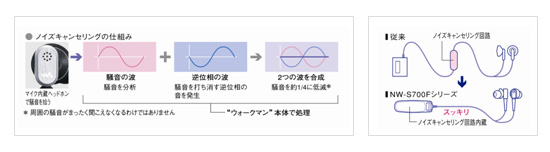
For this first time, with the S700F series, the NC hardware was integrated into the device. To use it, you still need specific earphones, now with a 5-pin connector. Seen with the Sony MDR-NC022, this was implemented via a 4-contact 3.5mm TRRS connector with a separate fifth protruding/side contact. This prevents the headphones from being inserted into ordinary headphone sockets and allows ordinary TRS/TRRS headphones to remain compatible. This pinout is composed of: Left and Right Audio, a GND/Common connection, and a Left and Right NC Microphones. Sony has a nice marketing illustration demonstrating that the NC feature works by picking up sound from the environment and inverting the phase.
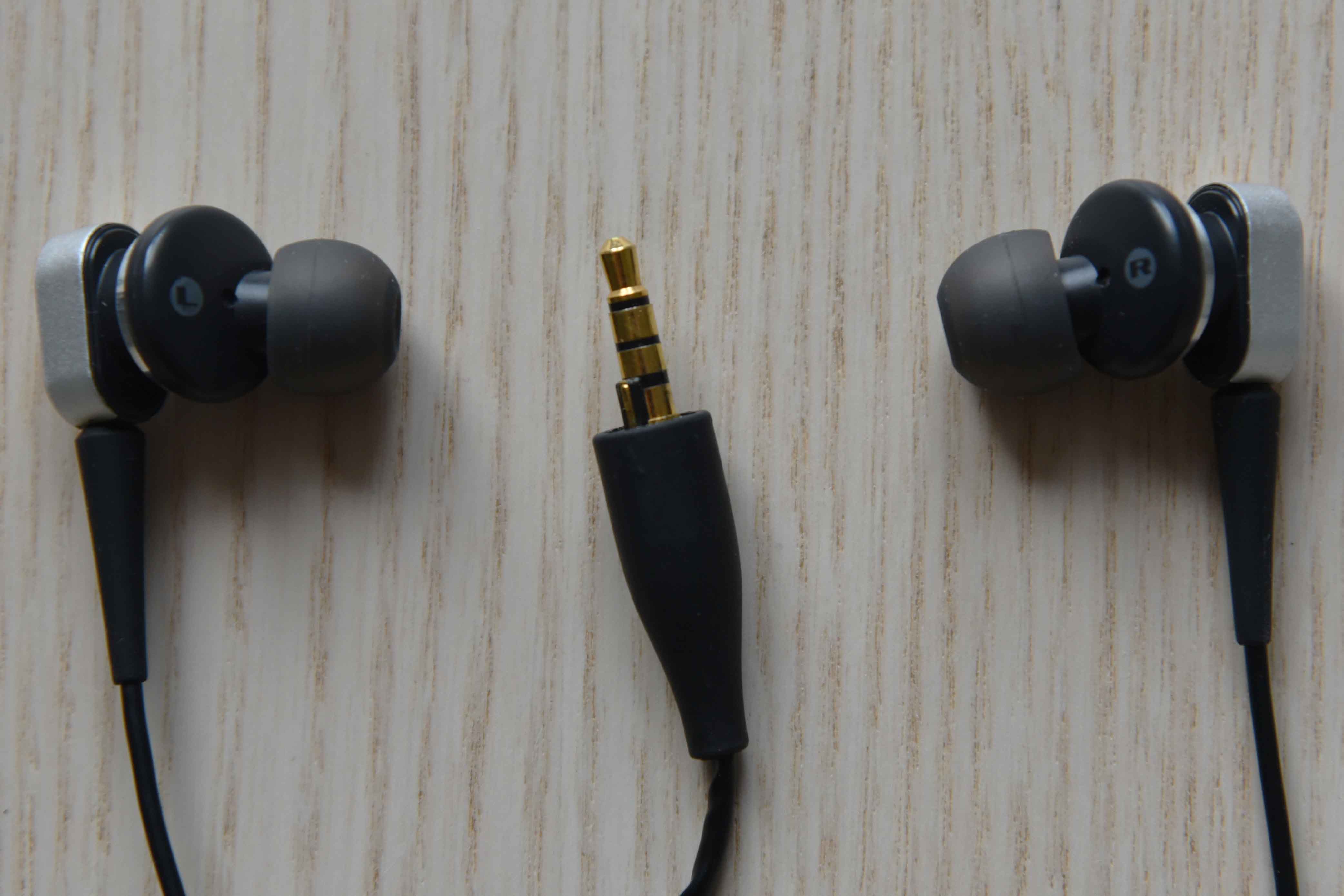
The MDR-NC022 are rather hard to find, so I was amazed to find a pair available for £15 on Vinted. When plugged in, the Walkman detects the headphones and enables NC, which can then be toggled in the menu options.
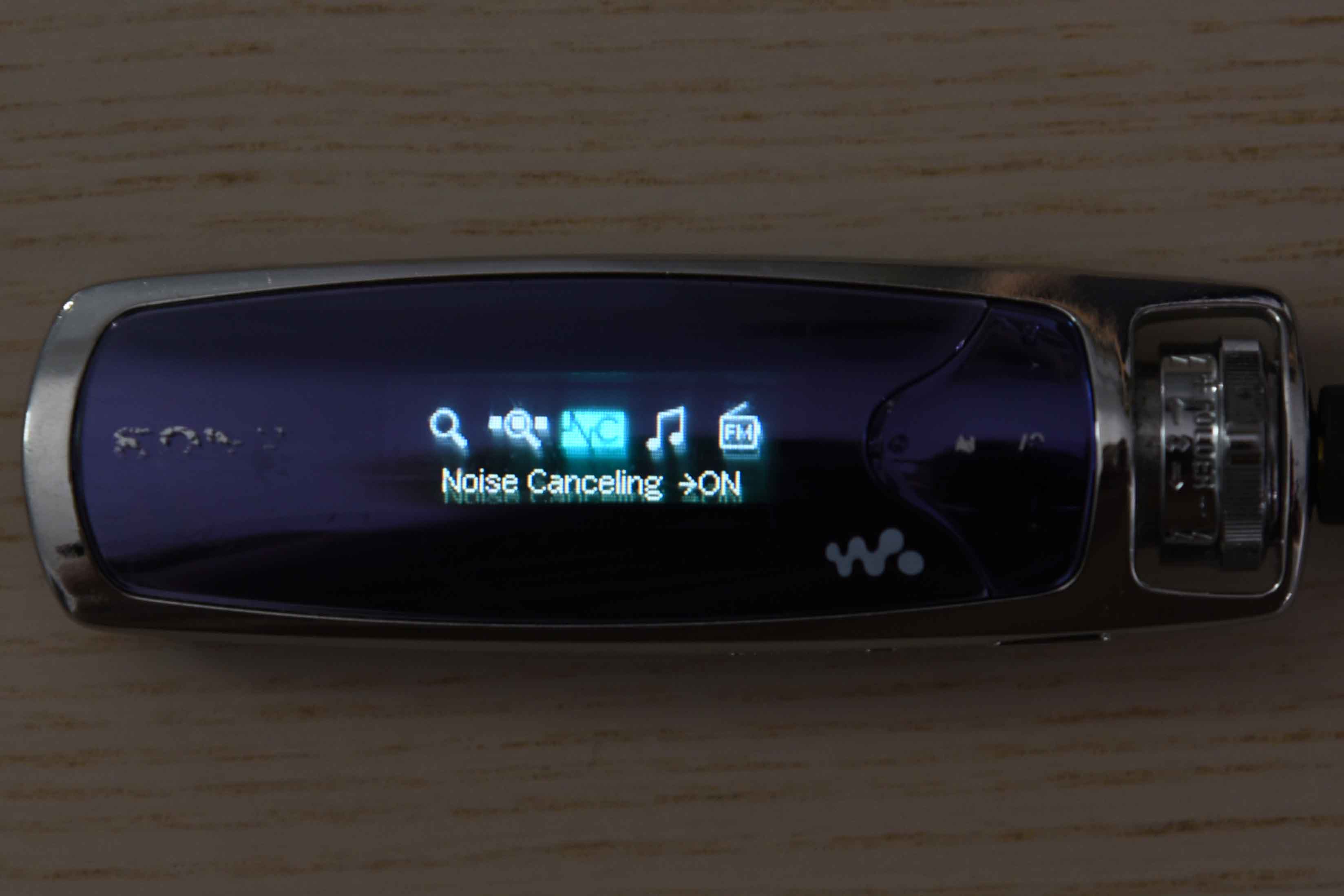
When enabled, NC is only active whilst a song is playing, even if set to zero volume. It does make a difference, but I would describe as more 'background noise suppression'. Given they're earphones, a reasonable level of isolation is already achieved. As far as I can tell, it suppresses in the range of 100 Hz to 1 kHz so makes external sounds more dull. The trade-off is an increased level of noise during playback which can only really be heard during if the song is quiet or has silence. It was probably good for the time but does not match modern performance.
Recording Function
Unbeknownst to me, using this product for 2 years, there is also a "direct encoding" function which allows recording of CDs or MiniDiscs straight to the Walkman without a computer. This requires a BCR-NWU3 dock or a WMC-NWR1 Walkman-to-3.5mm cable. I have owned the latter the entire time and was previously confused at what it was intended for, and I managed to obtain the dock for £5 from Vinted.
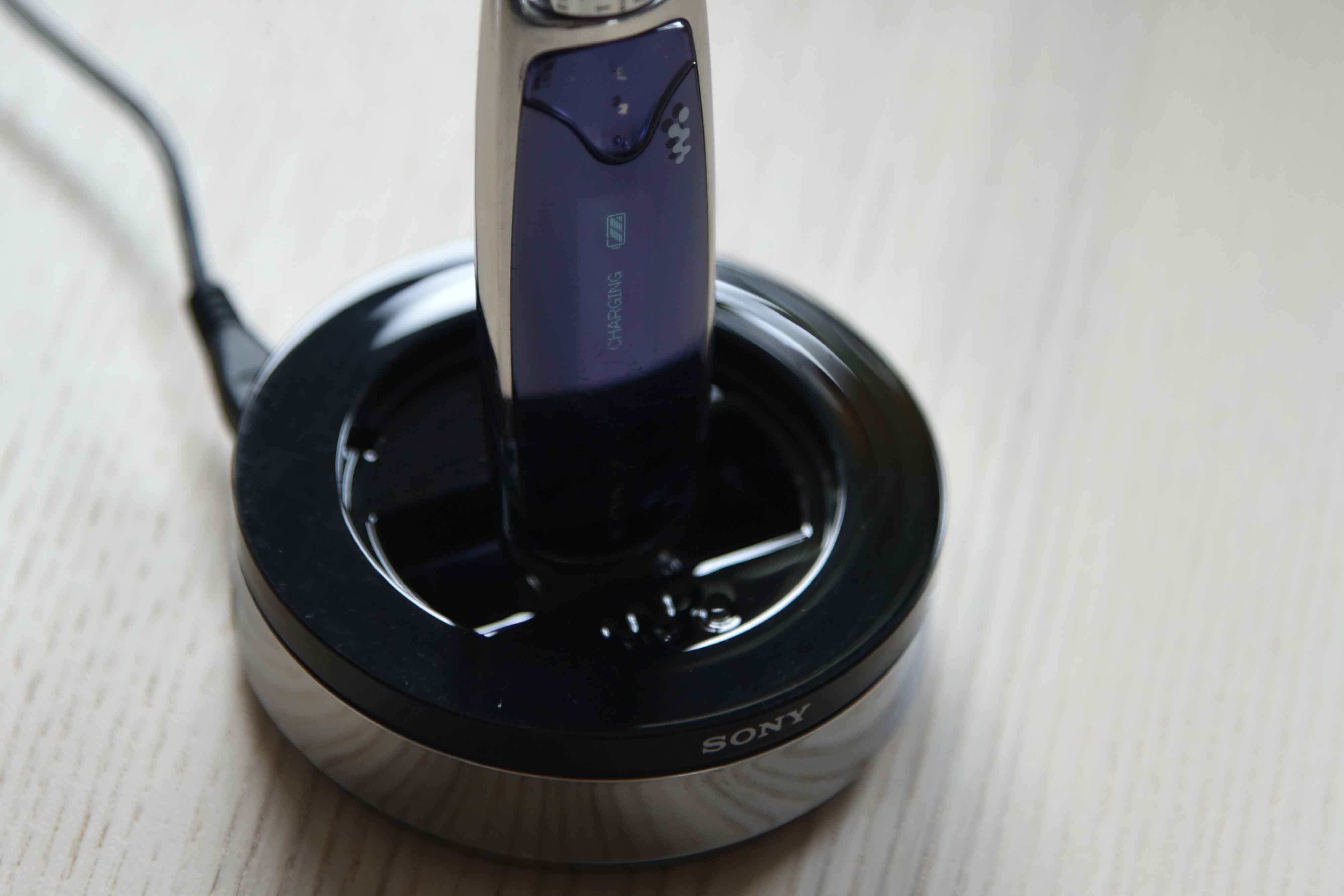
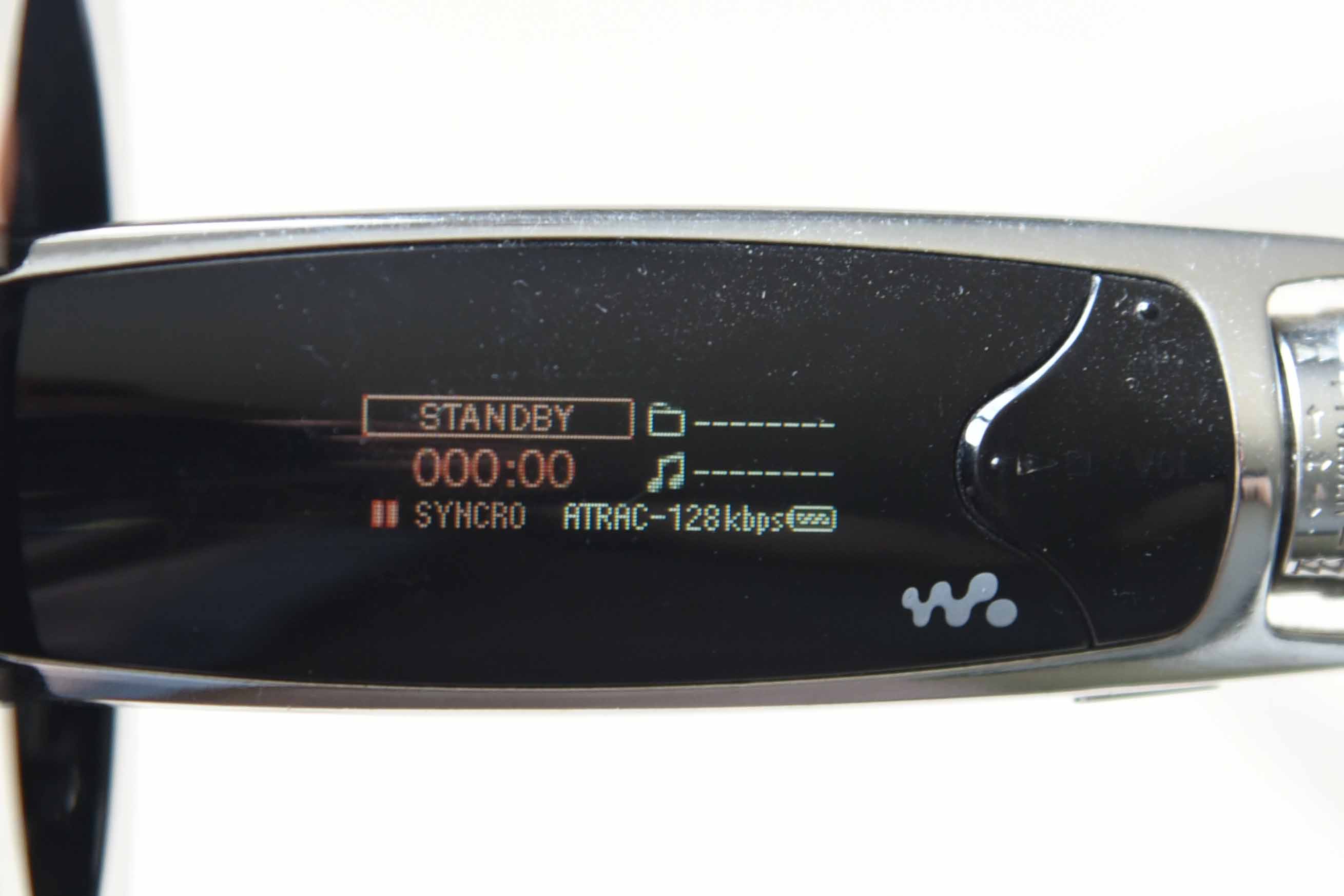
The Walkman automatically detects that it is in the dock, and again, provides a new menu item for such. You simply press play, and it records. To playback your recordings, visit the other new menu item, "Rec Data", and all can be played via the Walkman or the dock's audio out. With some tomfoolery, this allows one to play and record their Casio PT-20. Just me?... ok... (´。_。`)
For more information, see Sony's original press release.
Closing Thoughts
This is a wonderful piece of technology with a great design, and I think it is a shame that Sony didn't continue this style. The iPod established the new physical archetype for digital media players, so it was a decision that Sony had to make based on what consumers were more widely familiar with. It is a more conventional shape which makes the electronics easier to design, the control interface simpler, and the whole device easier to manufacture. As mentioned, Sony continued to work on features which Apple wasn't offering. But soon after the first iPhone was released in 2007, and with it, the market slowly shifted away from dedicated media players.
As per usual the price of items such as these has increased drastically in the last few years. I paid £19.50 for the device in 2024, and another £20 for the accessories in 2026.